

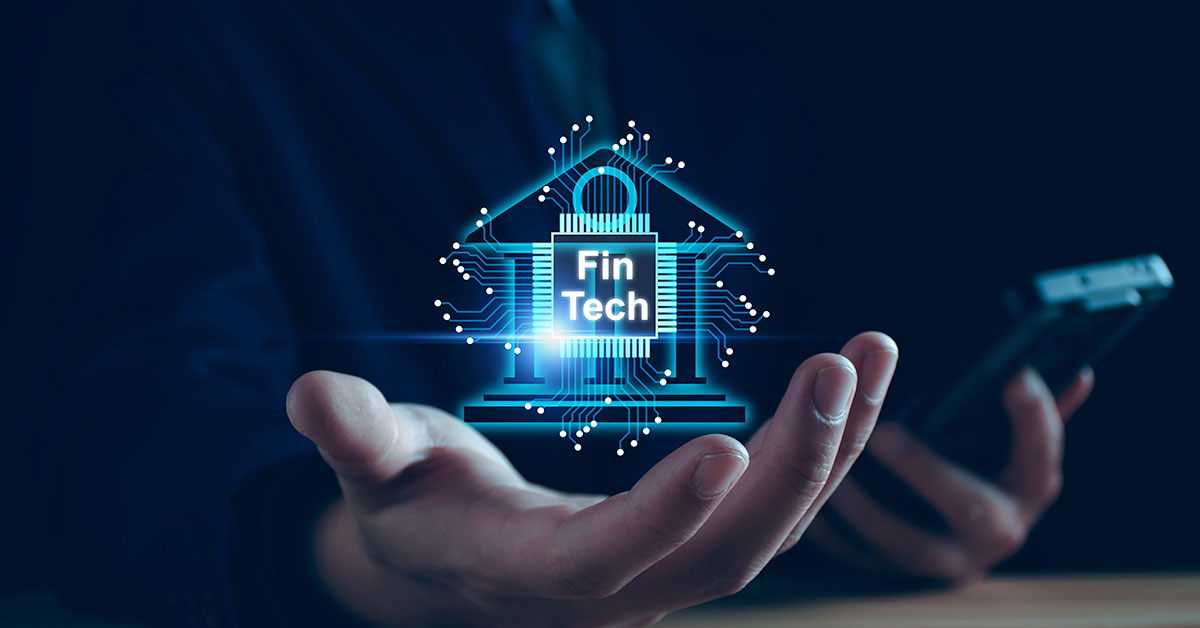
Financial technology has radically reshaped the global banking landscape, driving improvements in convenience, speed, transparency, and security. Fintech innovations are not only influencing how consumers manage money but also redefining how banks operate at their core. From digital payments to AI-driven credit decisions, technology continues to push banking into a more advanced, customer-centric era.
What Is Fintech in Banking?
Fintech refers to the integration of technology and financial services to create efficient, automated, and user-friendly solutions. In banking, fintech enhances traditional operations through digital infrastructures, innovative platforms, and intelligent automation. These advancements empower institutions to offer smarter, faster, and more accessible financial services.
Key Fintech Innovations Transforming the Banking Ecosystem
Digital-Only Banks
Digital banks operate without physical branches, offering streamlined services through mobile apps and online platforms.
Key advantages include:
- Lower operational costs
- Faster onboarding and account management
- Accessible 24/7 services
- Personalized user dashboards
AI-Powered Banking Solutions
Artificial intelligence enhances efficiency across various banking functions.
AI applications include:
- Fraud detection and prevention
- Automated customer support via chatbots
- Personalized financial recommendations
- Smarter loan underwriting
Blockchain and Distributed Ledger Technology
Blockchain provides a secure and transparent structure for financial transactions.
Its influence on banking includes:
- Faster and cheaper cross-border payments
- Reduction of fraud through immutable records
- Transparent transaction auditing
- Improved smart contract execution
Open Banking
Open banking enables customers to securely share financial data with third-party providers through APIs.
Benefits include:
- Customized financial products
- Better loan comparison tools
- Consolidated financial dashboards
- Enhanced competition among financial institutions
Biometric Authentication
Traditional passwords are being replaced with biometric security technologies.
Common methods:
- Fingerprint scanning
- Facial recognition
- Voice authentication
- Behavioral biometrics
Robo-Advisory and Automated Wealth Management
Robo-advisors use algorithms to create and manage investment portfolios.
They offer:
- Lower management fees
- Data-backed investment decisions
- Automated rebalancing
- Easy access for new investors
Real-Time Payments and Digital Wallets
Instant payment systems and mobile wallets have revolutionized daily transactions.
Popular features:
- One-tap mobile payments
- QR-code transactions
- Peer-to-peer transfer capability
- Faster settlement times
How Fintech Is Enhancing Customer Experience
Personalization
Fintech tools analyze user behavior to deliver personalized recommendations, spending insights, and product suggestions.
Greater Accessibility
Digital platforms allow customers to open accounts, transfer funds, and manage investments anytime without visiting a branch.
Faster Transaction Processing
Automated systems reduce wait times and eliminate manual intervention.
Improved Transparency
Real-time notifications and detailed analytics help customers understand and control their financial activities.
The Impact on Banks and Financial Institutions
Operational Efficiency
Automation reduces costs, minimizes human error, and accelerates internal workflows.
New Revenue Models
Banks leverage fintech solutions such as subscription-based financial tools and API partnerships to diversify income streams.
Enhanced Risk Management
AI and predictive analytics identify suspicious behavior and potential credit risks with higher accuracy.
Stronger Customer Loyalty
User-friendly digital experiences improve satisfaction and long-term retention.
Challenges in Adopting Fintech Innovations
Regulatory Compliance
Banks must ensure fintech integrations comply with stringent financial regulations and data privacy laws.
Cybersecurity Risks
Digital expansion increases exposure to cyber threats, requiring advanced protection measures.
Legacy Infrastructure
Older banking systems often struggle to integrate modern fintech solutions.
Customer Adaptability
Some customers may still prefer traditional banking methods, requiring gradual transition strategies.
Future Outlook: What’s Next for Fintech in Banking?
As technology advances, the banking sector will continue evolving with tools such as quantum computing, AI-powered risk models, self-learning fraud systems, and fully decentralized financial ecosystems. The future promises even more seamless interactions, stronger security, and personalized financial services driven by automation and real-time intelligence.
Frequently Asked Questions (FAQ)
1. Are fintech innovations replacing traditional banks?
Not entirely. Instead, fintech is enhancing traditional banking by improving service quality, speed, and accessibility.
2. How secure are fintech-powered banking services?
Security depends on encryption standards, cybersecurity practices, and regulatory compliance. Modern fintech platforms typically apply strong protective measures.
3. Does fintech make banking more expensive for customers?
In many cases, fintech reduces costs due to automation and lower operational expenses, making services more affordable.
4. What skills are banks seeking to support fintech adoption?
Banks increasingly need professionals skilled in data science, AI development, cybersecurity, and cloud engineering.
5. Do digital-only banks offer the same services as traditional banks?
Most digital banks provide core services, but offerings vary. Some lack specialized services like physical cash handling.
6. How does fintech affect loan approval processes?
AI-driven underwriting can speed up approvals, reduce paperwork, and increase accuracy in risk assessment.
7. Is blockchain likely to replace traditional banking systems?
Blockchain will enhance many banking processes, but full replacement is unlikely. Instead, hybrid systems are emerging.
If you’d like, I can also convert this article into a downloadable PDF, expand it into a long-form research piece, or craft SEO-optimized versions for publishing.