

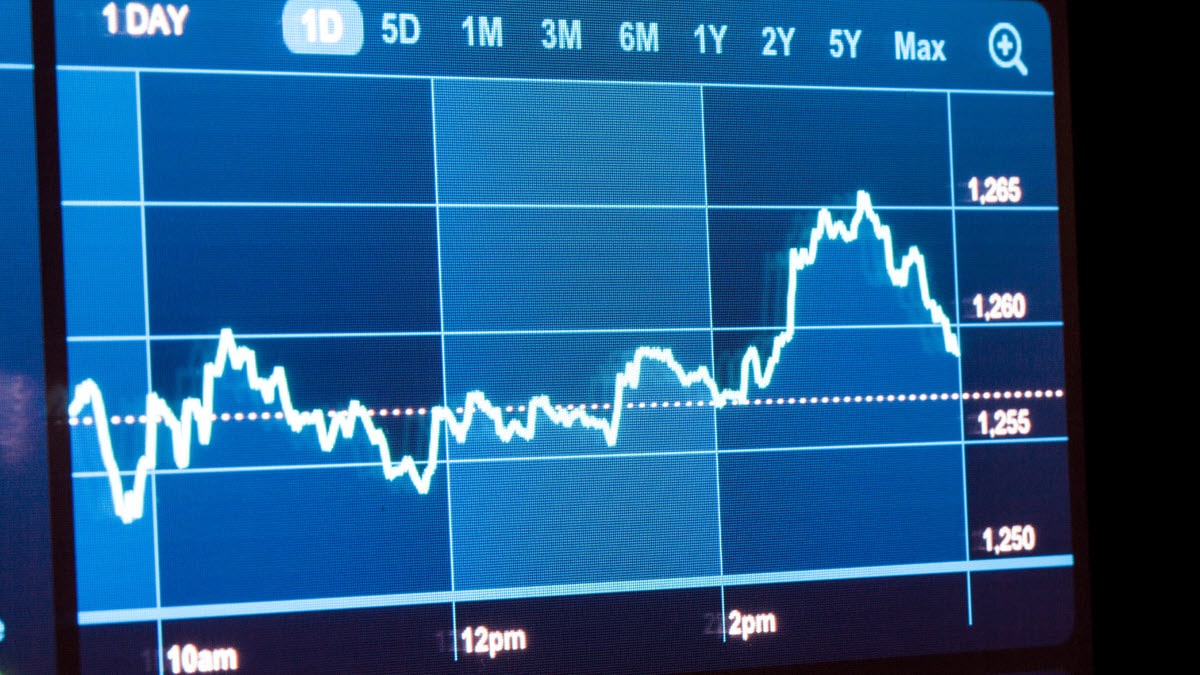
The cryptocurrency market never sleeps. Prices fluctuate constantly, moving sideways, up, and down in patterns that can be dizzying for the average investor. While many traders focus on catching the next massive rally or “moonshot,” a significant portion of market activity happens within specific price ranges. This is where a grid trading strategy shines. It turns typical market volatility into a potential advantage rather than a source of stress.
Grid trading is an automated strategy that places buy and sell orders at predetermined intervals above and below a set price. Think of it as casting a fishing net over the market. When the price drops, the system buys. When the price rises, it sells. This approach is particularly popular for assets with high liquidity and volatility. For instance, executing a grid trading BTC strategy allows a trader to profit from the frequent small price movements of Bitcoin without needing to predict the overall market direction.
Instead of trying to time the absolute bottom or top, this method focuses on the movement in between. It works best in a ranging market where the price bounces back and forth between two levels. By automating these transactions, traders remove the emotional component of decision-making. You no longer have to stare at a screen waiting for a breakout; the grid handles the buying low and selling high automatically within your defined parameters.
How the Grid Works
Setting up a grid involves defining a few key parameters: the upper limit, the lower limit, and the number of grids. The upper and lower limits create the range in which you expect the price to move. If Bitcoin is trading at $30,000, you might set a lower limit at $28,000 and an upper limit at $32,000.
The number of grids determines how many orders are placed within that range. More grids mean smaller profit margins per trade but a higher frequency of trades. Fewer grids mean larger profits per trade but fewer executions. Once active, the system divides your capital. As the price dips and hits a buy line, it executes a purchase. If the price then reverses and hits the corresponding sell line above, it sells that portion for a profit.
Benefits in a Sideways Market
The crypto market spends a lot of time moving sideways, neither crashing nor rallying significantly. In traditional “hodling” (holding on for dear life), a sideways market means your portfolio value stays stagnant. With a grid strategy, a sideways market is an opportunity.
Every minor fluctuation becomes a chance to generate a small return. Over time, these small gains can accumulate. It transforms a stagnant period into a productive one. This makes it a powerful tool for diversification. You can have part of your portfolio held for long-term growth while another portion actively works in a grid to harvest volatility.
Managing Risk
While effective, grid trading is not without risk. If the price breaks out of your defined range, the strategy stops working efficiently. If the price plummets below your lower limit, you are left holding positions at a loss. If it rockets above your upper limit, you sell off your holdings too early and miss the rest of the ride.
Therefore, setting appropriate stop-loss limits is essential. It is also crucial to choose a range that reflects current market conditions. Grid trading is not a “set it and forget it” forever tool, it requires periodic review to ensure your parameters still align with the market’s behavior. By combining automation with sensible risk management, you can turn market noise into a calculated trading advantage.
